



Letter from the Editor: Is the Chancellor really considering this big move?
Leave it in the comments section at the bottom of this article.
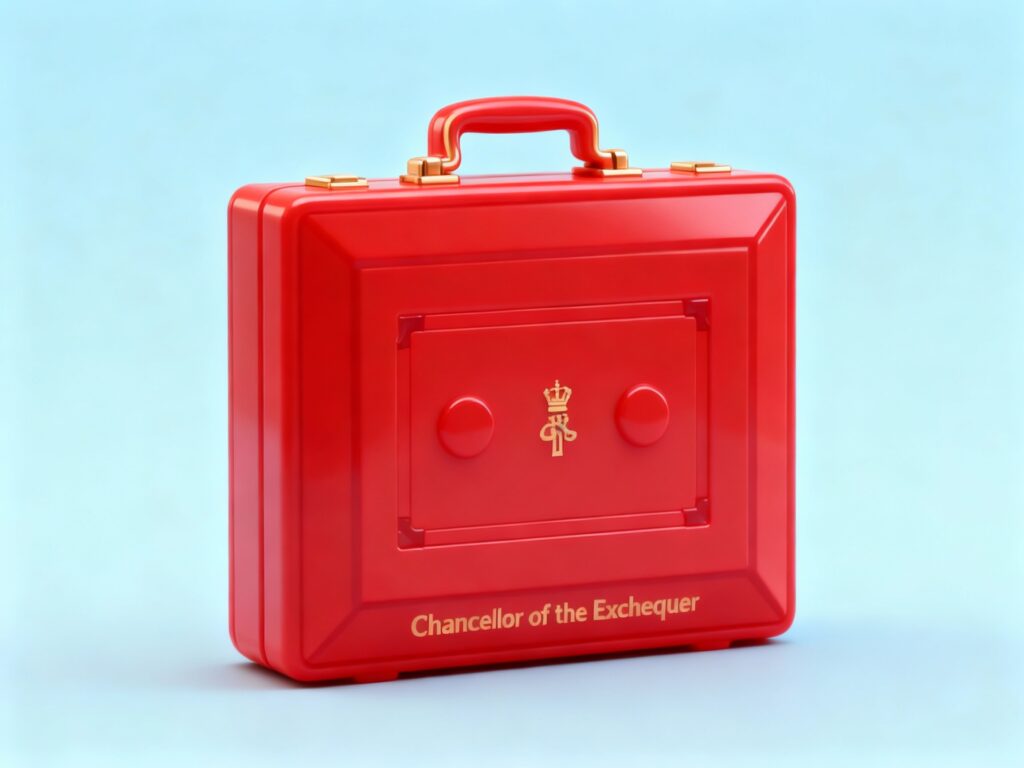
When you learn that Basic and Higher income tax rates haven’t risen since 2008, you might reasonably assume the amount of tax you pay hasn’t changed either if you’re a Basic of Higher rate taxpayer.
Unfortunately, that’s not the whole picture.
For millions of people, the taxman has been quietly taking a bigger slice of their earnings because of a policy that rarely makes the headlines: frozen income tax thresholds.
The tax rise you might not have noticed
The personal allowance — the amount most people can earn before paying income tax — has been frozen at £12,570 since April 2021.
The higher-rate income tax threshold in England, Wales and Northern Ireland has also remained at £50,270.
The problem is that wages haven’t stood still.
As inflation has driven up the cost of goods and services, so salaries have risen, and that’s meant more of people’s earnings have become subject to tax. Some people who previously paid no income tax have now found themselves paying it, while others have been pushed into higher tax bands without necessarily feeling much better off.
This is what’s known as fiscal drag. It allows the Government to collect more income tax without actually increasing the headline rates.
The freeze – the longest on record – was due to end in 2028, but the previous Chancellor, Rachel Reeves, extended it to April 2031. The Office for Budget Responsibility has estimated that the policy will raise billions of pounds in additional tax revenue.
For the Treasury, that’s a significant source of income. For households, it’s a significant loss. If you’re wondering why making ends meet has felt so much more challenging in recent years… well, here’s a large part of the answer.
Could the new Chancellor finally offer some relief?
There has been speculation doing the rounds this week that the Government could reconsider the freeze, with the Prime Minister previously saying it’s an issue that has been raised repeatedly to him on voters’ doorsteps.
Unfreezing thresholds could mean more of your earnings remain tax-free, or are taxed at a lower rate than they would be under the current rules. And that would provide welcome relief for workers whose pay has risen but whose spending power remains under pressure.
It could also help if you’re a pensioner with taxable income from private pensions or other sources.
But before we all get too excited, it’s important to remember that this is still just speculation – there’s no guarantee the Chancellor will move in this direction.
The inconvenient truth is the Treasury relies on the extra revenue generated by frozen thresholds. Reversing the policy would leave the Government with less money to spend or require it to find additional revenue elsewhere.
So, for now, we wait. As with all Budget speculation, making decisions about your finances before we know the facts is not recommended. Instead, take a moment to understand your own position. How much income tax do you pay? Are you approaching a threshold? Could a change affect your plans for saving, investing or retirement?
Understanding those details will mean you’re better placed to understand any announcements when they come. And if you want help figuring out what each announcement actually means for your money, follow our Budget Day analysis and sign up for our newsletter where we’ll lay out what each decision means for your money in the clearest terms.

Comments
Related News

Could Paying More Into Your Pension Reduce Your Student Loan Repayments?

Letter from the Editor: The Budget balancing act… could pensioners end up paying the price?
What kind of investor are you?






























No comments yet. Be the first to share your thoughts!