



BUDGET 2026: Cash ISA allowance cut scrapped
Leave it in the comments section at the bottom of this article.
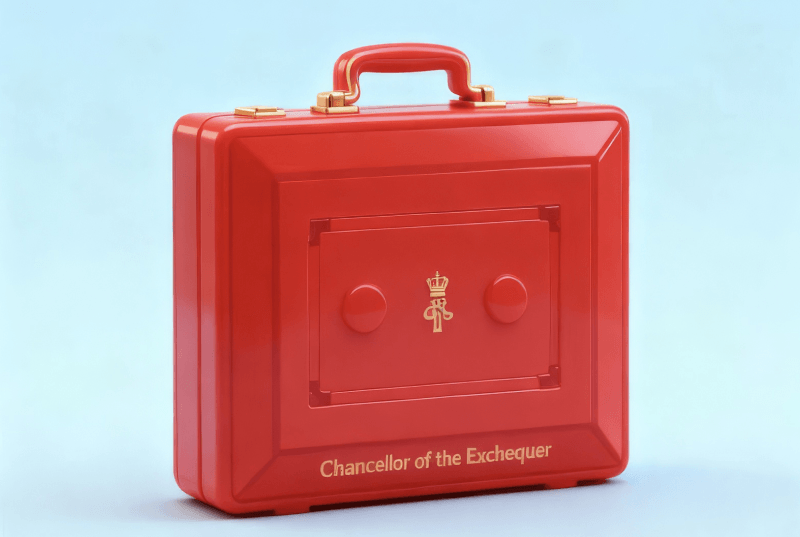
Good news for savers! The Chancellor John Healey has announced in the Budget that plans to cut the annual Cash ISA allowance from £20,000 to £12,000 have been scrapped.
The previous Chancellor, Rachel Reeves, announced the reduction in last year’s Budget in an attempt to encourage more people to invest in UK companies rather than keep their money in cash.
The change was due to take effect from 6 April 2027, limiting savers under the age of 65 to putting £12,000 into Cash ISAs each tax year. Those aged 65 and over were exempt and retained their full £20,000 allowance.
However, the reversal now means all savers can continue to put up to £20,000 a year into Cash ISAs, with savers able to earn all interest tax-free with their Cash ISA.
What this means for you
The overall annual ISA allowance remains £20,000, which can be split between all types of ISA.
That means, if you prefer the certainty of cash savings, are building an emergency fund or saving for a near-term expense, you will no longer face the planned reduction in your Cash ISA allowance. You can continue to deposit the full £20,000 annual allowance in cash.
However, it’s worth bearing in mind that cash savings may not always be the option that gives you the greatest growth potential. Money you might need in the short term, for emergencies of savings targets less than five years away, is generally better kept somewhere accessible and where the returns are more certain and less exposed to market movements – in other words, in cash savings. But, if your goals are longer term, history has shown that you’ll typically get a greater return by investing in the markets.
A change to the Cash ISA rules doesn’t automatically mean you should sell your investments if you’ve already started putting money into a Stocks and Shares ISA. Think about why you moved the money there in the first place. Was it just to circumvent the upcoming (now scrapped) rule change? Or was it because you saw an opportunity through investing that could benefit you in some way? Does the plan still fit within your overall financial plan? Would you lose out by selling investments right now?
If you do decide you want to move money back into your Cash ISA, make sure you use the formal ISA transfer process to preserve its tax-free status. Selling investments and then depositing the money into a Cash ISA means you could expose it to an environment where tax is due. And it will also mean it counts as another, separate deposit towards your annual limit. Transferring directly avoids these dangers.
The bottom line:
You no longer need to move money into investments simply to make room for the planned Cash ISA allowance cut. Choose between cash and investments based on your needs, goals and attitude to risk, rather than tax rules alone.

Comments
Related News

BUDGET 2026: What you need to know if you’re planning or in retirement

What kind of investor are you?






























No comments yet. Be the first to share your thoughts!