



BUDGET 2026: Fuel duty frozen again
Leave it in the comments section at the bottom of this article.
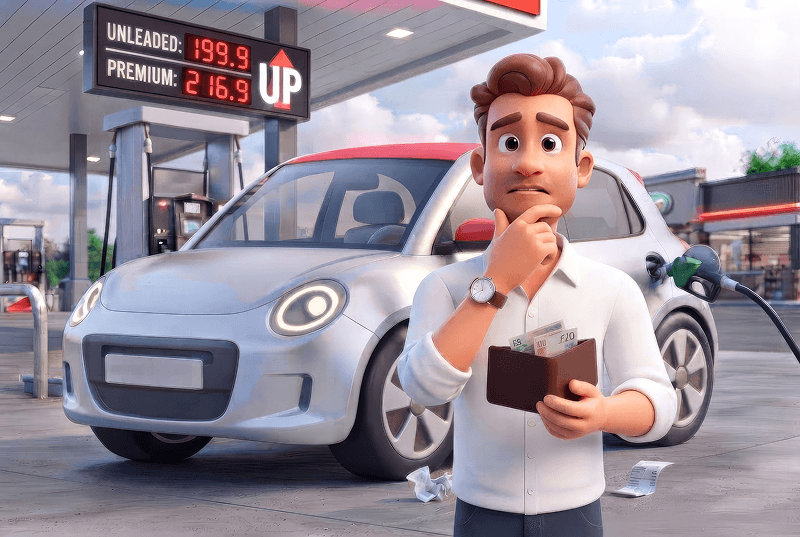
Chancellor John Healey has scrapped a planned fuel duty increase, extending the 5p tax cut until July 2027.
The announcement means the main rate of fuel duty on petrol and diesel will remain at 52.95p per litre, rather than rising as previously planned. Without the intervention, drivers faced a 5p-per-litre increase as the Government gradually withdrew the temporary cut and brought fuel duty back towards its pre-2022 level.
In addition, the higher mileage rate for work-related driving will increase from 25p to 35p per mile for business miles above 10,000 a year. The 55p-per-mile rate for the first 10,000 business miles is also being made permanent.
Fuel duty is a tax charged on every litre of petrol or diesel sold. It has been frozen for years, with the temporary 5p cut introduced in March 2022 to try and help households and businesses cope with soaring energy prices.
The decision comes as the Government faces continued pressure to ease the cost of living, with fuel prices adding to the strain on household budgets. Keeping fuel duty frozen should also help limit the impact of higher fuel cost rises on hauliers, farmers and other businesses.
However, the decision comes at a cost to the public finances. Fuel duty raises billions of pounds for the Treasury, and repeatedly cancelling planned increases means the Government collects less than it otherwise would.
The Chancellor will need to balance the immediate benefit to drivers against the cost of maintaining the freeze and the need to fund public services.
The RAC has warned that 2026 is on track to become the second-most expensive year on record for drivers filling up.
What this means if you’re a motorist
You’ll avoid the planned increase in fuel duty, but that doesn’t necessarily mean petrol and diesel prices will fall. The price you pay at the pump also depends on wholesale oil prices, the cost of refining and distribution, retailer pricing and VAT.
To put the saving into perspective, avoiding a 7p-a-litre increase is equivalent to £3.50 on a 50-litre tank of fuel. How much you save over a year will depend on how much you drive and how much fuel your vehicle uses.
If you drive regularly, particularly for work or family commitments, keeping fuel duty frozen could help prevent your motoring costs from rising as much as they otherwise would.
However, it’s still worth comparing prices at nearby petrol stations and keeping your vehicle well maintained to help manage running costs. The freeze offers some protection against higher fuel taxes, but it won’t shield you from every change in pump prices.

Comments
Related News

BUDGET 2026: What you need to know if you’re planning or in retirement

What kind of investor are you?


































No comments yet. Be the first to share your thoughts!