



Could Your Savings Be About to Land You a £2,000 Tax Bill?
Leave it in the comments section at the bottom of this article.
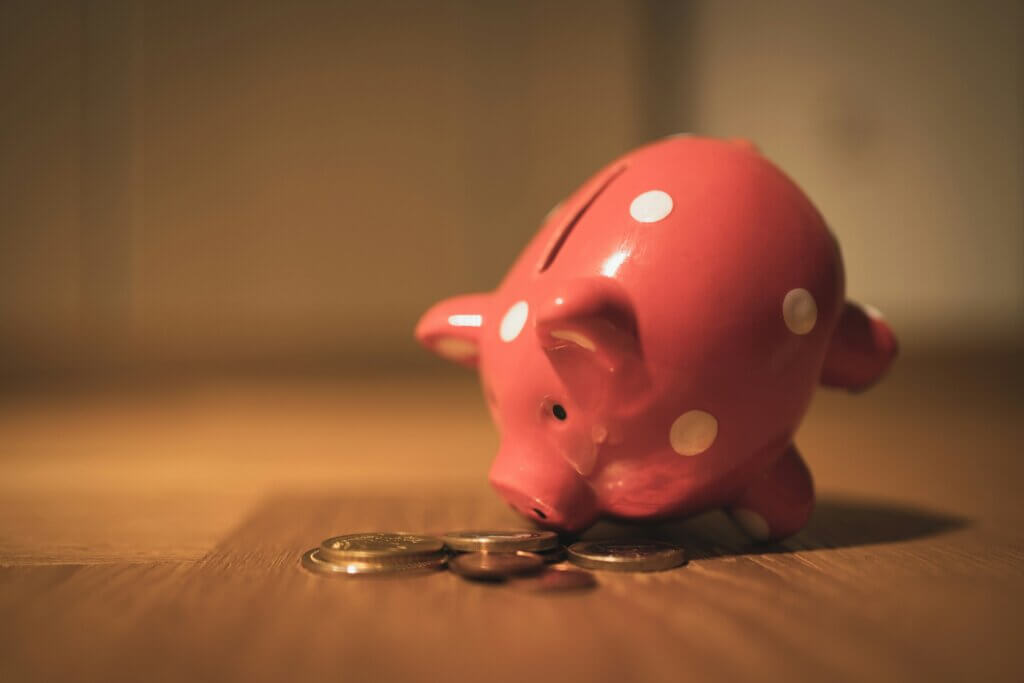
Having a healthy savings pot is usually something to feel good about. But if your savings are earning a decent rate of interest, you could be heading for an unexpected tax bill.
New figures, based on HMRC data obtained by Paragon Bank, suggest that around 542,000 savers could pay more than £2,000 in tax on their savings interest in the 2026/27 tax year.
And more than 100,000 people could face a tax bill of more than £10,000.
The number expected to pay more than £2,000 has more than quadrupled since 2022/23, when the figure was estimated at 119,000.
So why are more savers being caught by tax – and is there anything you can do about it?
Why are more savers getting taxed?
The good news is that most people can earn some interest from their savings without paying any tax.
But there is a limit. This is known as your Personal Savings Allowance.
If you’re a basic-rate taxpayer, your Personal Savings Allowance is currently £1,000, meaning you can earn up to £1,000 in savings interest before paying tax.
For higher-rate taxpayers, the allowance falls to £500. And if you’re an additional-rate taxpayer, there is no Personal Savings Allowance at all, meaning all your savings interest is potentially taxable.
Importantly, it’s the interest you earn, rather than the amount sitting in your savings account, that matters.
So if you have £20,000 in savings earning 5%, you’d receive £1,000 in interest over a year.
A basic-rate taxpayer could therefore receive that interest without paying tax, assuming they had no other savings interest and their circumstances meant they were entitled to the full allowance.
But if you had £50,000 earning 5%, you’d generate £2,500 in interest.
That would put £1,500 above a basic-rate taxpayer’s £1,000 allowance, leaving that portion subject to income tax at 20%. That’s a potential bill of £300.
And, of course, if you’re a higher-rate or additional-rate taxpayer, the amount you’ll owe will likely be significantly higher: £800 in the case of the higher-rate taxpayer, and an additional-rate taxpayer who doesn’t get any Personal Savings Allowance could owe £1,125 in tax.
You don’t need millions in the bank
One reason this is becoming a big issue is that savings rates have been much higher than they were several years ago.
It was possible, in October 2022, to find one-year fixed savings rate paying 6.2%. Although rates have dropped since then, top savings accounts are still offering around 5%.
That means you don’t necessarily need a huge savings pot to start generating taxable interest.
For example, at 5% interest:
- £10,000 could generate £500 of interest in a year
- £20,000 could generate £1,000
- £50,000 could generate £2,500
- £100,000 could generate £5,000
For a basic-rate taxpayer, the first £1,000 of interest would normally be covered by the Personal Savings Allowance, so no tax would be due.
For a higher-rate taxpayer, however, only the first £500 would be covered. This is why knowing your own tax band is just as important as knowing your savings rate.
Frozen tax thresholds are also playing a part
There is another reason more people are being caught.
The income tax thresholds have been frozen, while wages and other incomes have risen. This can gradually push people into higher tax bands – something often referred to as fiscal drag.
The number of higher-rate taxpayers is expected to reach 7.7 million in 2026/27, up from 5.1 million in 2022/23. This matters because moving from the basic-rate to the higher-rate tax band reduces your Personal Savings Allowance from £1,000 to £500.
So you could find that your savings are earning roughly the same amount of interest, but more of it becomes taxable because your income has increased.
Could an ISA help?
One of the simplest ways to shelter savings interest from tax is to use an Individual Savings Account (ISA). You can currently put up to £20,000 into ISAs each tax year, across the different types of ISA.
Interest earned within a cash ISA is completely tax-free, so it doesn’t count towards your Personal Savings Allowance. Our recommendations for the top-paying cash ISAs are here.
There is an important change coming, though…
From April 2027, the amount under-65s can put into a cash ISA will be capped at £12,000. The overall £20,000 ISA allowance will remain (meaning you can still put the remaining £8,000 into other types of ISA, such as a stocks and shares ISA) but this will mean a change in plans if you currently place (or were planning to place) the full £20,000 allowance into a cash ISA.
If you’re trying to decide whether to move existing cash from an ordinary savings account into a cash ISA, ask yourself these questions:
- How much interest each of your accounts is currently paying
- When any introductory or bonus rate ends
- How much interest you expect to earn during the tax year
- Which tax band you’re in
- How much of your Personal Savings Allowance you have available
- Whether moving some savings into an ISA could reduce your tax bill
You should also think about whether you need instant access to the money. There are instant access cash ISAs; you’ll just need to check the T&Cs to make sure you’re not accidentally placing it into an account that locks your cash away for a set amount of time.
How will HMRC collect the tax?
You don’t normally have to calculate the amount of tax that’s due yourself. Banks and building societies generally report the interest they pay to HMRC after the end of the tax year. Although, if your savings interest is more than £10,000, HMRC says you’ll need to report it through Self Assessment.
If you’re employed or receive a pension, HMRC will usually collect any tax you owe by adjusting your tax code. If you’re already completing a Self Assessment tax return, you’ll normally report your savings interest there.
Once HMRC has a report of how much savings interest you’ve earned, that’s when the tax becomes due. So even though in many cases, the calculations are done for you, it’s worth keeping your own records so you don’t receive an unexpected tax bill at the end of the tax.
What should you do?
You won’t necessarily need to move your money or make a major financial decision. But understanding how much interest you’re earning, which tax band you’re in and whether you could make better use of an ISA could help you avoid a shock later on that you’re not prepared for.
And with more than half a million savers potentially facing bills of more than £2,000 this tax year, it’s a calculation that’s becoming increasingly important to make.
If you want help working out how much tax you could owe, or where best to place your savings, use our Find an ISA service to get matched with a professional.

Comments
Related News



Divorcing later in life: What should you do with your settlement?
What kind of investor are you?





























No comments yet. Be the first to share your thoughts!