



Petrol and Diesel Prices RISE to 4-Year High – Here’s How to Save
Leave it in the comments section at the bottom of this article.
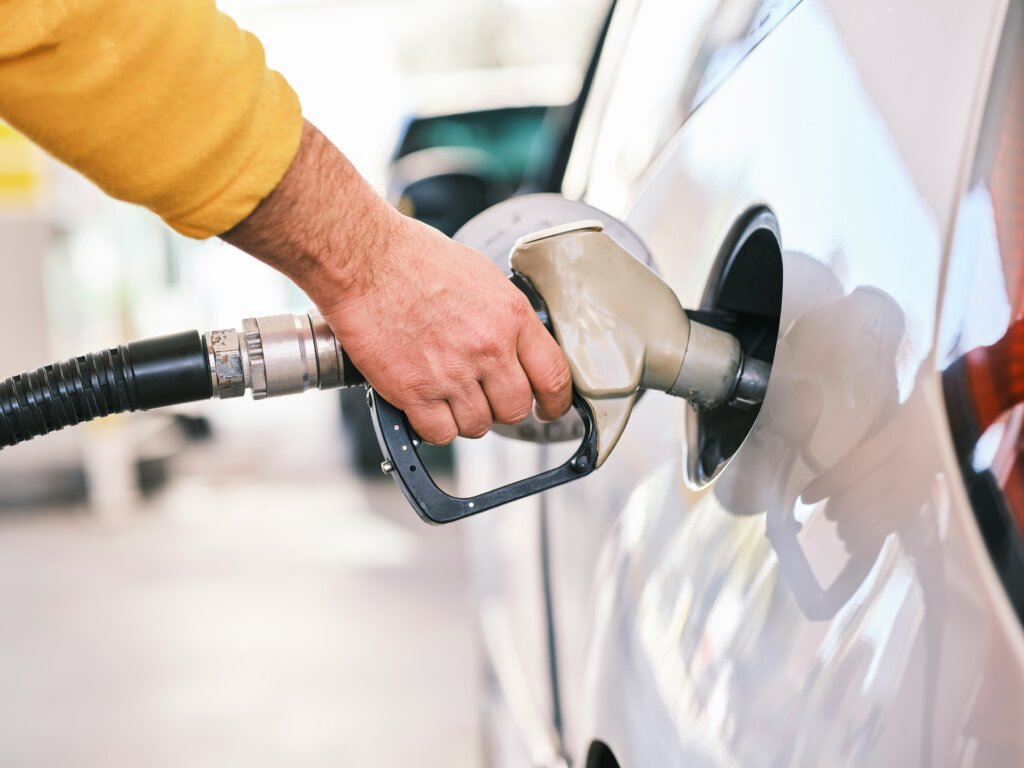
The average price of petrol hit 169.68p, while diesel rose to 191.68p, according to the motoring body.
The new prices have surpassed Sunday’s Iran-War-related high of 169.52p for petrol and 191.54p for diesel.
How much does it cost to fill up?
Based on current estimates, filling up a 55-litre family car could cost you:
- Over £93 for petrol
- Over £105 for diesel
Both fuels are now at prices seen in early August 2022, shortly after the start of the Ukraine War.
Currently, wholesale oil is well over $100 per barrel and costs are set to rise further this year.
What can you do to save on diesel and petrol?
Managing the impact of rising fuel costs on your budget can feel overwhelming, especially since the price you pay is completely out of your control.
With costs set to rise further this year, it’s more important than ever to limit the impact of fuel price increases and, where possible, make a saving.
Some simple ways to help you save on petrol and diesel include:
- Compare fuel prices: if you have multiple petrol stations in your local area, shopping around could save you money. Using a free fuel price comparison website offers a quick and easy way to find the lowest prices in your area or along your route. Be sure not to travel too far out of the way to fill up though, as this could offset any savings you make at the pump.
- Maximise loyalty cards: Most supermarkets and petrol stations offer loyalty cards or cashback schemes to help you cover the cost of petrol for example Tesco Clubcard, Shell Go+ and BPme Rewards. If you earn enough points, you can put the rewards towards filling up your tank, helping you save.
- Check tyre pressure: Under-inflated tyres mean that the car’s engine has to work harder to keep it moving, which could burn more fuel. Regularly checking your tyre pressure can help you keep your fuel consumption down (and help your tyres last longer).
- Switching off the engine: Leaving your engine running when your car is stationary uses up more fuel. Ideally, you should switch off your engine when your car’s at a standstill, such as being in heavy traffic.
- Avoid unnecessary journeys: It goes without saying the more you drive, the more fuel you use. Trying to reduce the amount you drive could help keep your costs down. Tracking your household’s weekly mileage is a good way to start as it gives you an idea of all the journeys you take.
- Be mindful of your speed: Harsh braking and acceleration can impact how much fuel you use. Trying to drive more smoothly can help you save on fuel while decreasing the amount of wear and tear on your vehicle.

Comments
Related News


Worried the Budget will rattle your pension? Here’s what twenty years of market panics actually did

Two-Thirds Of UK Workers Could Have Untapped Pension Savings – Here’s How To Find Yours
What kind of investor are you?


































No comments yet. Be the first to share your thoughts!