



Retirees could lose tens of thousands by taking tax-free cash out
Leave it in the comments section at the bottom of this article.
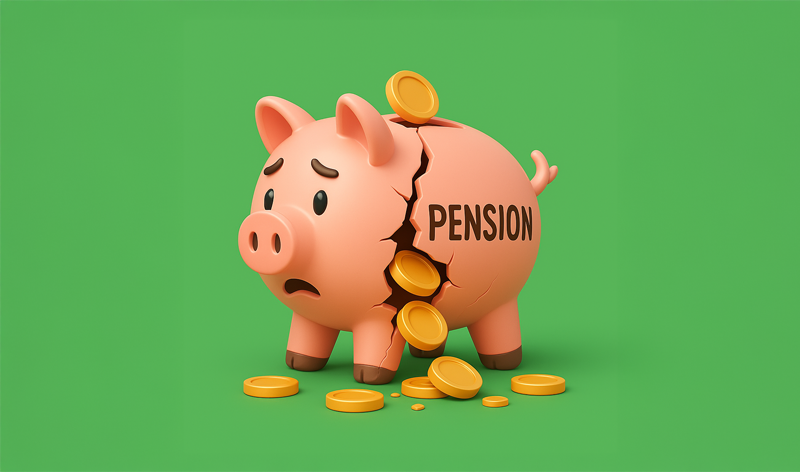
Reacting to Budget fears and withdrawing tax-free cash could cost retirees tens of thousands of pounds, new analysis has found.
Someone with a £500,000 pension at age 55 who takes their full 25% tax-free cash and moves it into a cash savings account paying 4% (a higher end savings rate right now) could lose out on £63,169 in tax-free cash by age 65, compared with leaving the amount invested in their pension, calculations by AJ Bell have found.
That same person drip-feeding their lump sum into a cash ISA or investing it via a stocks and shares ISA would be able to mitigate this, but could still be worse off by £45,029 and £18,358, respectively.
It comes as rumours continue to circulate ahead of the upcoming Autumn Budget on 26 November that the chancellor may reduce the amount retirees can take out of their pension tax-free.
Difference in lump sum available by age 65:
| Scenario | Total pot size | Available cash | Difference with no tax-free cash scenario |
| Takes no tax-free cash until age 65 | £895,424 | £223,856 | £0 |
| Tax-free lump sum in Stocks & Shares ISA | £877,065 | £205,498 | £18,358 |
| Tax-free lump sum in Cash ISA | £850,395 | £178,827 | £45,029 |
| Tax-free lump sum in cash savings account only | £832,255 | £160,687 | £63,169 |
Source: AJ Bell. Assumes 6% investment growth in the pension and Stocks and Shares ISA after charges and that the individual is a higher rate taxpayer who continues working full-time until age 65, but no longer contributes to their pension. Cash account and Cash ISA assume an interest rate of 4%. Both Cash and Stocks and Shares ISA scenarios involve drip-feeding lump sum into the ISAs in £20,000 chunks each year.
Should you take your tax-free cash out?
There’s nothing wrong with taking your tax-free cash out of your pension – if you need it. But be aware that once you take the money out, you can’t undo that action. That means if you take the whole lot out, any future withdrawals will be subject to income tax.
If you take out more than your 25% tax-free cash, you will also have future pension contributions capped to £10,000 per year.
It’s also worth considering that once you take the money out, it will stop growing in a tax-free environment inside your pension. You will also have split your retirement pot up, so you won’t benefit as much from compound growth.
You can mitigate this by putting the money into ISAs, but ISA contributions are limited to £20,000 per year.
If you do decide to take your money out, it may be a good idea to have a plan of where you will put it to keep it growing, or how you’d like to spend it.

Comments
Related News



Savings tax bills soar by 76% for additional-rate taxpayers: Is HMRC taking more of your interest?
What kind of investor are you?






























No comments yet. Be the first to share your thoughts!