



Savers face a new tax raid in 2027: Should you move your money?
Leave it in the comments section at the bottom of this article.
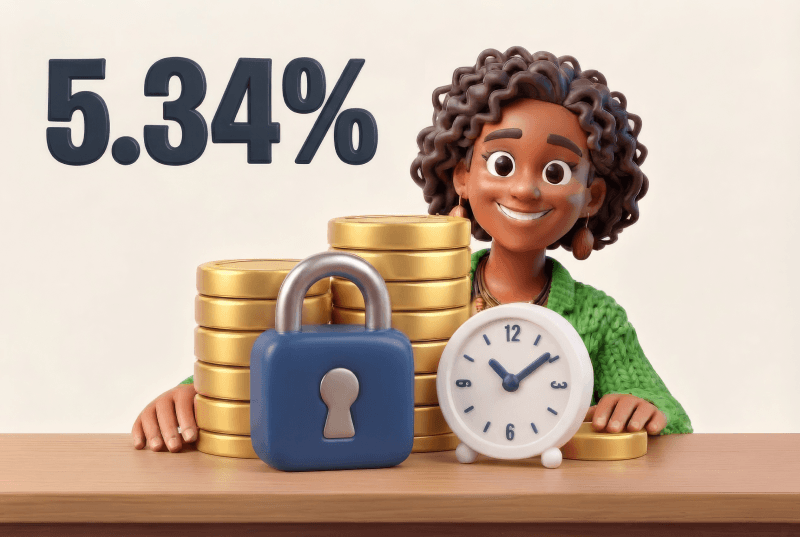
There was some good news for savers in the Budget, with the Chancellor reversing plans announced in last year’s Budget to reduce the annual Cash ISA allowance from £20,000 to £12,000 for under-65s.
However, there was another announcement that received less attention: from 6 April 2027, the tax rates on savings interest will increase.
This means basic-rate taxpayers will pay 24% tax on taxable savings interest (up from 20% currently), while higher-rate taxpayers will pay 44% (up from 40%). Additional-rate taxpayers will see their rate rise from 45% to 49%.
Importantly, these changes only affect interest that is taxable after any available tax-free allowances have been used.
How much savings interest can you earn tax-free?
Most UK savers have a Personal Savings Allowance (PSA), which lets you earn a certain amount of interest each year without paying any tax. The amount of PSA you have depends on which tax rate you fall into.
Currently, this is:
Basic-rate taxpayers: £1,000 a year.
Higher-rate taxpayers: £500 a year.
Additional-rate taxpayers: No Personal Savings Allowance.
These allowances will remain unchanged when the new tax rates come into force.
There is also a separate Starting Rate for Savings, which allows some people with lower incomes to earn up to £5,000 in savings interest tax-free, subject to eligibility.
So, if your savings interest falls within your available allowances, you’re safe – you won’t suddenly have to start paying tax just because of this Budget announcement.
However, if you do earn interest that exceeds the PSA, you will probably have to pay more tax on those earnings from April 2027.
It’s the interest you earn that counts, not how much you have saved
One important thing to understand is that you don’t pay tax simply because you have a large amount of money sitting in a savings account. It’s the interest you earn that counts.
For example, a basic-rate taxpayer can currently earn £1,000 in savings interest each tax year without paying tax, thanks to their Personal Savings Allowance.
How much you need to have saved before exceeding this allowance depends on the interest rate you’re earning.
With competitive easy-access savings accounts currently paying around 4.5% interest, you’d need approximately £22,000 in savings to generate £1,000 in annual interest.
But the picture was very different just a few years ago. In January 2022, the average interest rate on an easy-access savings account was just 0.11%, according to Bank of England figures. At that rate, you’d have needed more than £900,000 in savings to earn £1,000 in interest over a year.
To put that into perspective:
When interest rates were close to zero, even people with substantial savings could stay comfortably within their tax-free allowance. Now, someone with around £50,000 in an ordinary easy-access savings account could potentially exceed it.
That means more people are being drawn into paying tax on their savings interest. And with a rise in the rates now due in April 2027, anyone who does exceed their Personal Savings Allowance will face a higher tax bill.
What are your options if your tax bill is due to go up?
If you’re paid interest on savings outside an ISA and the amount of interest that you receive is likely to cross the PSA threshold, the changes could make tax-free accounts more attractive.
Unlike ordinary savings accounts, interest earned within a Cash ISA is tax-free, regardless of how much you have saved or how much interest you receive.
However, the maximum you can pay into an ISA each year is £20,000. That total is across all ISAs you might have, including Cash ISAs, Stocks and Shares ISAs and/or a Lifetime ISA. So if you’re looking to move money into a Cash ISA before the April 2027 deadline, you’re limited in how much you can move. If you can keep your new savings deposits to a maximum of £20,000 each year however, you can build up a very substantial pot over several years. There are in excess of 7,000 ISA millionaires in the UK who have done very nicely from the annual allowance.
Before making any decisions, work out how much the Personal Savings Allowance could allow you to keep in an ordinary savings account based on the interest rate you’re expecting to be paid. You should also consider how easily you can access your savings. It could make sense to separate some savings into an easily accessible account (albeit with a lower interest rate) and then put the remainder of your savings, assuming you don’t need it all for short-term needs, into a fixed-interest account paying a higher rate.
The important thing is to understand how much interest you’re earning, how much of it is already tax-free and whether you could make better use of your ISA allowance.
If you want to know how much you could be earning in a Cash ISA: Compare top Cash ISA rates here
Please note: This article is for educational purposes only and isn’t personal financial advice. The value of investments can fall as well as rise and you may get back less than you put in. Past performance is not a reliable guide to future returns.

Comments
Related News



Savings tax bills soar by 76% for additional-rate taxpayers: Is HMRC taking more of your interest?
What kind of investor are you?





























No comments yet. Be the first to share your thoughts!