


TOP STORY: STATE PENSIONERS SET TO PAY TAX BY 2027

The State Pension is set to be subject to income tax for the first time from next year unless the Government takes action.
The State Pension is currently worth £11,973 a year, but payments rise every year in line with the highest of July’s wage figures, September’s inflation data, or 2.5% under the ‘triple lock’ guarantee.
This is to ensure that pensioners aren’t any worse off in real terms.
Wage growth was 4.7% in July, far higher than this month’s 3.8% inflation, meaning that is the figure that will be used to increase the State Pension next year. That’s a rise of £562 next year.
That’s great news for pensioners… right? In some ways, yes – although much of it will be eaten up by rising costs.
But the bad news is that unless the Government steps in, retirees just getting the State Pension will be paying tax on it from 2027.
Next April, the State Pension will be worth £12,535.70. The personal allowance – the amount you can earn before you pay any tax – is worth £12,570. You can see the direction of travel 😬.
In the past, this was never an issue as the personal allowance rose each year in line with wage growth, but tax thresholds have been frozen since 2021.
Why? Freezing tax thresholds means that as wages increase, more people are dragged into paying tax or paying it at a higher rate – raising extra £££ for the government.
What does this mean for you?
Paying tax on the State Pension means that you won’t get to take home the full amount, which could leave pensioners feeling worse off.
Whether you are claiming State Pension now, are close to doing so, or are years away from retirement, any time is a good time to boost your private pension savings.
How to boost your pension savings:
If you’re employed, make sure you’re enrolled in your workplace pension scheme. You’ll benefit from contributions from your employer and get a boost from the government via ‘pension tax relief’, which is basically 2x free money.
If you’re self-employed, open a personal pension and contribute regularly. You won’t get employer contributions, but will get the free cash from the government.
Upping your contributions will have a significant impact on your savings long-term, too. For example, if you contribute £1,000 in a tax year, you’ll get £250 in pensions tax relief, while a £2,000 contribution would add an extra £500 to your pot.
Track down your old pensions from past jobs to ensure you know how much you have saved and aren’t missing out on any cash.
You could also consider consolidating them to one pot to keep on top of them. We have a free pension tracing service in partnership with Gretel you can use to find your old pensions – you just need your name and address.
How to protect your pension income from tax:
In retirement, make sure you are only taking as much income as you actually need to avoid paying more than is necessary. Keeping the money in your pension will allow it to keep growing tax-free.
If you have other savings accounts, consider taking money out of those before accessing your pension or any other tax-free vehicles like ISAs.
TIP OF THE WEEK: GET INTO INVESTING WITH £20 A MONTH
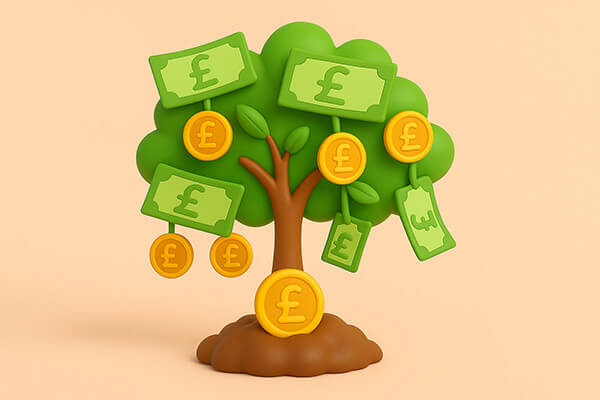
A common misconception is that you need a lot of money to invest – but you can get into investing with £20 or less.
Legal and General and Santander both allow investments of just £20 per month, while some platforms like Moneybox and Wealthify will let you invest as little as £1.
You might think that investing a small amount isn’t worthwhile, but the impact of regular deposits and compounding might surprise you.
Say you put £20 a month into a stocks and shares ISA – where your returns are tax-free. You would have £1,498 after five years. After 10 years, that would have become £3,669*.
After 40 years, you’d have a pot worth a whopping £65,271 – and you would only have invested £9,600 of that yourself. The remaining £55,400 would have come from investment growth.
Up those deposits to £50 a month, and you’d have £3,744 after five years, or £9,172 after 20 years.
*Assuming 8% returns, based on historic stock market performance
FROM THE REGULATOR: PENSION WITHDRAWS SOAR AMID BUDGET FEARS

We covered this in a separate alert earlier this week, but for those who missed it, here’s the down low:
New data from the City watchdog shows the amount savers withdrew from their pensions jumped by 36% to £70.9 billion in 2024/25, up from £52.2 billion the previous year.
Nearly one million pension plans were also accessed for the first time, an increase of 8.6% compared to the previous year.
Analysis of the figures suggests they began rising before last autumn’s Budget, when rumours were swirling about cuts to pension tax-free withdrawals, and they rose even more post-Budget, when the Government confirmed pensions would be subject to inheritance tax.
🚨These figures show that people are making big financial decisions based on speculation or changes that haven’t actually happened yet. Don’t react to rumours!
Many people cashed in their pensions last year over the tax-free lump sum fears, and then nothing happened. That decision is irreversible.
If you are worried about speculation, speak to a professional for help or guidance about what to do.
A financial adviser can ensure you’re in the best position possible at any time.
DEAL OF THE WEEK: £200 FREE CASH
Interactive Investor is currently offering new customers £200 cashback if they open a Self-Invested Personal Pension (SIPP) and deposit in £15,000.
Or you can transfer over one of your other pensions to hit the £15k requirement. The offer ends 30 September,
The catch: You need to hold your cash in there for 12 months to get the £200 cash bonus.
JARGON BUSTER: FINANCE TERMS EXPLAINED
SIPP: A personal pension where you can pick your own investments from a range of options.
State Pension – payments you get from the government in retirement after a certain age – currently 66. This is currently worth £11,973. You need National Insurance contributions from working to qualify.
City watchdog – also known as the Financial Conduct Authority – the body that oversees the financial services industry and sets rules firms have to follow
Autumn Budget – an event where the Government announces tax and spending changes for the coming months or years
Read our past editions…

Your Questions Answered
We’re keen to answer any and all of your burning finance questions – drop us a message to info@teamnda.co.uk and we may feature your query with our response in our next newsletter.
We want your feedback! Get in touch with what you like and what you want to see in future.
________________________________________________
 Tiktok
 LinkedIn
 Website
Share on


