



BREAKING: 121 MPs And Peers Just Demanded Student Loan Reform
Leave it in the comments section at the bottom of this article.
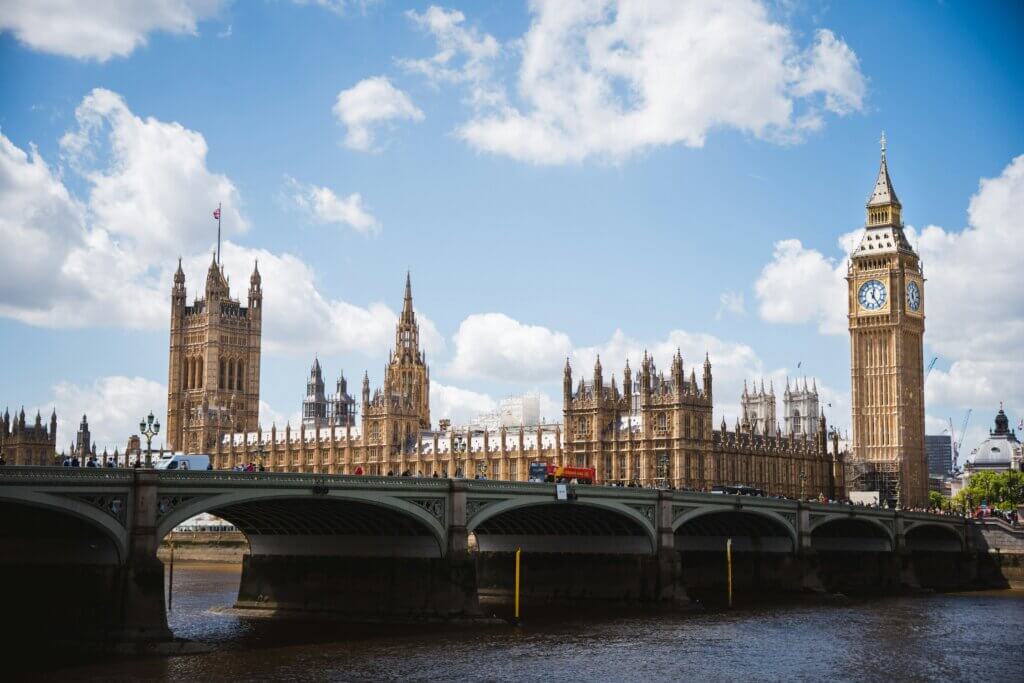
121 MPs and peers, from Labour, the Conservatives, the Liberal Democrats, the Greens and beyond, have just signed one letter to Chancellor John Healey demanding student loan reform. That is not normal. These are people who cannot agree on tax, on welfare, on almost anything. They agree on this.
Before I go further, two quick definitions, because this only makes sense once you know what they mean.
A repayment threshold is the amount you need to earn before your loan repayments even start. Earn below it, you pay nothing. Earn above it, you pay 9% of everything over that line. So if the threshold is frozen while your pay goes up with inflation, more and more of your salary falls above the line and gets taxed at that 9% rate, even though your actual pay packet hasn’t grown in real terms. That’s the whole row, in one sentence.
Here’s what’s happened. A week before this letter landed, Education Secretary Lucy Powell told BBC Radio 5 Live that fixing student loan repayment terms is “very much at the top of my in-tray.”
She’s called the interest rate “egregious,” and she said it before she had the job, so this isn’t a minister discovering a new talking point to look good.
The part with real teeth, though, is a report from the Treasury Select Committee, a cross-party group of MPs whose job is to check the government’s own numbers. On 7 July 2026, they published one called Student loans: broken and unfair? Not a campaign slogan, a formal verdict, built on more than 52,000 responses from the public, one of the biggest response rates a select committee has ever had. Their conclusion: the government has a moral obligation to reverse the freeze on the repayment threshold. They also found that in at least three instances, the way borrowers were told about their loans amounted to mis-selling, meaning people weren’t given an honest picture of what they were signing up to.
What this means if you or your child has one of these loans
From April 2027, the threshold sticks at £29,385 for three years. You were told it would rise every year with average pay. It won’t. Practically, that means: if your salary goes up but the threshold doesn’t, a bigger slice of your pay each year gets pulled into that 9% repayment rate, even though it doesn’t feel like you’ve had a real pay rise. It’s a stealth increase in what you hand over, without anyone changing the headline rate.
Take Gavin, a 35 year old lecturer with a loan balance of £131,000. For him, that’s not a rounding error. It’s years added to how long he’s effectively paying an extra tax on his income, on top of everything else already squeezed by the cost of living.
What this means for the Treasury
Here’s the other side, because it’s not free money either way. The Committee says reversing this freeze would cost the government about £355 million a year, roughly 1% of the savings the last Budget was banking from the wider changes to student loans. That’s real money the Chancellor would have to find from somewhere else, at a time the public finances are already stretched thin. That’s precisely why the freeze happened in the first place. Freezing a threshold doesn’t require a headline tax rise or an unpopular announcement, it just means collecting more from millions of graduates in the background, without ever having to legislate for a new tax.
David Reed MP put the borrower side of this plainly: it functions, for all practical purposes, as another 9% charge on earnings, landing exactly when someone’s trying to buy a home or start a family.
My honest take
Getting 121 people from five parties to sign one letter is genuinely hard. Getting Healey to actually spend £355 million a year unwinding a decision made under his predecessor is a completely different level of hard. A “moral obligation,” which is the Committee’s phrase, gives ministers cover to act. It does not force their hand.
So watch what happens next, not what’s being said now. If this shows up as an actual line in the next Budget, that’s reform. If it stays at the level of ministers agreeing it’s egregious and unfair while nothing moves, that’s consensus without consequence, and we’ve seen that film before.
If you’re repaying one of these loans right now, don’t restructure your finances around a change that hasn’t happened yet. Whether overpaying makes sense for you comes down to whether you’re on track to have the loan written off before the freeze would ever bite, not on what a select committee recommended this month.
______________________________________________________________________________________________________________________________________
This article is for general information only and does not constitute personal financial advice. Your circumstances are your own, and if you’re weighing up decisions around debt repayment, savings, or mortgage affordability, it’s worth speaking to a regulated financial adviser who can look at your full picture. Capital at risk where investing is involved.
Sources: BBC Radio 5 Live interview with Lucy Powell, reported by About Manchester and Teesside Live (29 July 2026); House of Commons Treasury Committee, Student loans: broken and unfair?, published 7 July 2026 (publications.parliament.uk); Rethink Repayment press release, embargoed to 00:01, 6 August 2026.

Comments
Related News


Is Inheritance Tax Driving Britain’s Wealthiest Abroad? The Chris Rokos Question


What kind of investor are you?


































No comments yet. Be the first to share your thoughts!