



Chancellor: Pensioners won’t pay tax when State Pension breaches threshold in 2027
Leave it in the comments section at the bottom of this article.
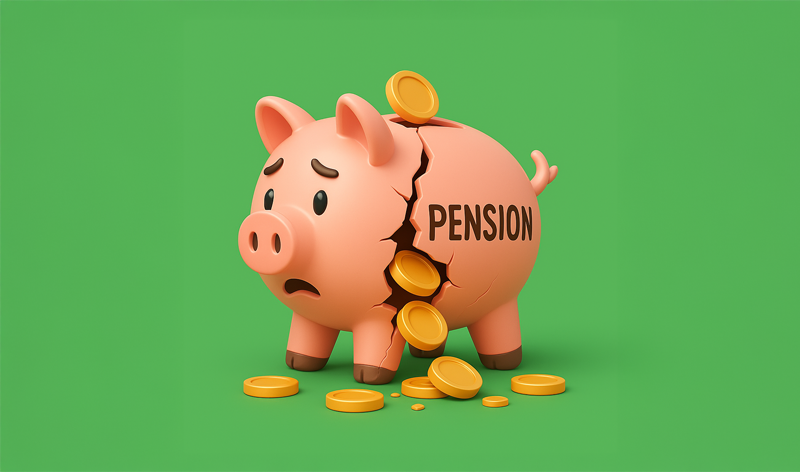
The Chancellor, Rachel Reeves, has announced that pensioners who solely rely on the State Pension for their income will not need to fill in a tax return – or pay tax at all – when the State Pension crosses the threshold where Basic rate tax becomes due in April 2027/28.
Speaking to Martin Lewis yesterday, Rachel Reeves responded to this question: “Will my 85 year old father, who’s living with dementia now have to complete a tax return as his State Pension will take him over the personal allowance?”
She replied: “If you just have a State Pension, you don’t have any other pension, we are not going to make you fill in a tax return.”
Pressed on whether this meant there would be no tax to pay, the Chancellor confirmed: “In this parliament, they won’t have to pay the tax.”
She added: “We’re working on a solution as we speak to ensure we’re not going after tiny amounts of money… we’re coming up with a workaround.”
The reason this problem is arising – when it’s never arisen in the past – is that frozen tax thresholds (where the point at which you start paying tax or a higher rate of tax is kept the same despite inflation causing wages and prices to rise) are set to collide with the State Pension in April 2027.
In contrast to frozen tax thresholds, the State Pension is currently protected by ‘the triple lock’, which sees the State Pension rise each year by either the rate of inflation, average earnings, or 2.5% – whichever is highest. In April of this year (2025), the UK State Pension increased by 4.1% thanks to average earnings growing by 4.1%. It will rise again by £575 in April 2026, after average earnings grew by another 4.8%.
In the years before frozen tax thresholds, this growth wouldn’t have caused a problem, as the amount people could earn as income before needing to pay tax (the ‘personal allowance’) would also have risen. But, since 2022, no Chancellor has raised tax thresholds, because they’ve said they need to stay fixed to help tackle the national debt. |
That means, wages and pensions have risen, but the starting point for paying taxes, hasn’t. Bringing us to this current dilemma.
Our view
The only reason the country is now faced with this problem is that tax thresholds have been frozen for far too long.
The announcement in the Budget that they will continue to be frozen for a further three years until 2031, means that millions more people will be pulled into paying tax, or higher rates of tax even though, technically, income tax hasn’t actually been raised.
The fact that the triple-lock is now set to collide with these frozen thresholds in 2027, tells you everything about how unsustainable it has become. This workaround that the Chancellor has announced will no doubt be a welcome relief to hundreds of thousands of the least well-off pensioners. But it creates administration and expense for the government, and there will almost certainly be errors which will still cause considerable stress to elderly people on very tight budgets who simply don’t need it.
Want to know how much those frozen tax thresholds are costing you? Try out our calculator.

Comments
Related News


Worried the Budget will rattle your pension? Here’s what twenty years of market panics actually did


Two-Thirds Of UK Workers Could Have Untapped Pension Savings – Here’s How To Find Yours
What kind of investor are you?
































No comments yet. Be the first to share your thoughts!