



Diesel Prices Hit All-Time High – How Can Drivers Save?
Leave it in the comments section at the bottom of this article.
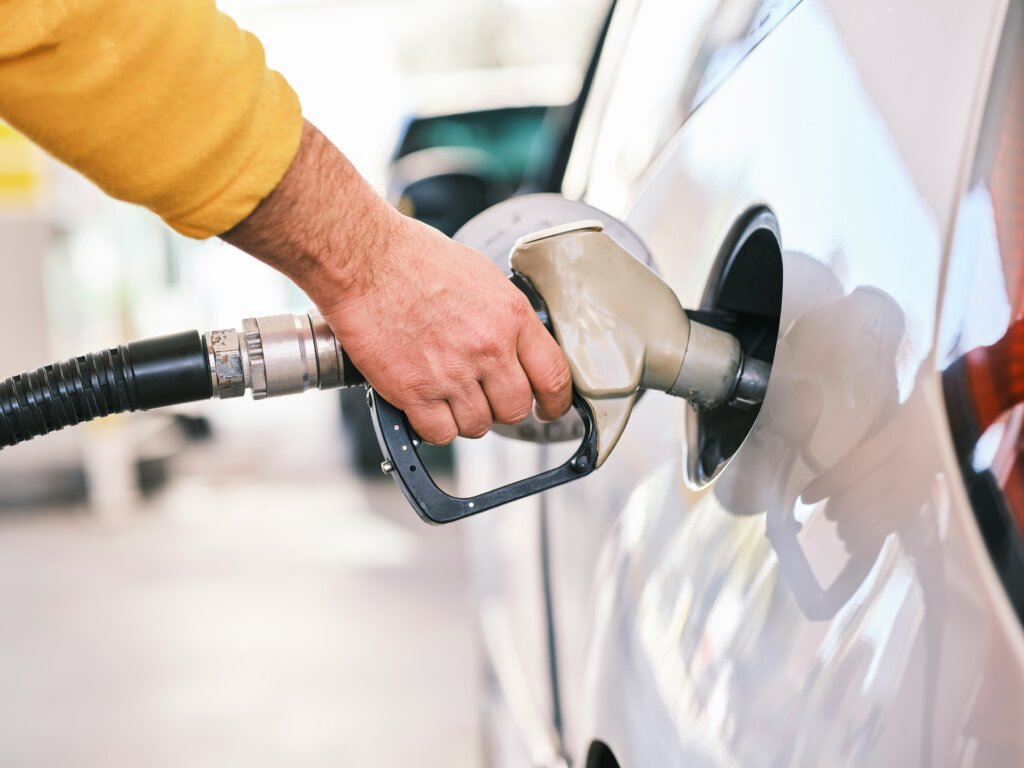
Motorists across the UK are facing the highest diesel costs on record as conflict in the Middle East continues, according to the latest RAC data.
The average cost of diesel hit 199.18p, the motoring body revealed.
This surpasses the previous record high of 199.09p seen in June 2022, sparked by Russia’s invasion of Ukraine.
Petrol prices are continuing to rise and a litre of unleaded now stands at 174.13p.
It follows fuel prices surging to a 4-year high earlier this month, adding considerable strain to household budgets.
The new record high is expected to affect drivers as well as customers buying goods or services that rely on diesel lorries and vans.
How much will it cost to fill now?
Currently, filling up a 55-litre family car could cost around:
- £110 for diesel
- £96 for unleaded petrol
Prices at the pump began to soar after the US-Iran war disrupted wholesale oil supplies.
Since the start of the war in February, the cost of filling up a diesel car is £36 higher while for unleaded.
What can you do to save on diesel and petrol?
Managing the impact of rising fuel costs on your budget can feel overwhelming, especially since the price you pay is completely out of your control.
With costs set to rise further this year, it’s more important than ever to limit the impact of fuel price increases and, where possible, make a saving.
Some simple ways to help you save on petrol and diesel include:
Compare fuel prices: shopping around could save you money if you have multiple petrol stations in your local area, . Using a free fuel price comparison website offers a quick and easy way to find the lowest prices in your area or along your route. Be sure not to travel too far out of the way to fill up though, as this could offset any savings you make at the pump.
Use loyalty cards: many supermarkets and petrol stations offer loyalty cards or cashback schemes to help you cover the cost of petrol for instance Tesco Clubcard, Nectar and BPme Rewards. By earning enough points, you can get rewards to put the rewards towards filling up your tank, helping you save.
Get your tyres checked: if you have under-inflated tyres mean that your car’s engine has to work a lot harder to keep it moving, which could burn more fuel. Regularly checking your tyre pressure can help you keep your fuel consumption down (and help your tyres last longer).
Switching off the engine: leaving your engine running when your car isn’t moving uses up more fuel. Try to switch off your engine, where possible, when your car’s at a standstill, such as being in heavy traffic.
Reduce your journeys: if you can, reduce the amount you drive could help keep your fuel costs down. If you’re unsure where to start, tracking your household’s weekly mileage gives you an idea of all the journeys you take and where you can make reductions.
Be fuel-efficient: heavy braking and harsh acceleration can impact how much fuel you use. Trying to drive more smoothly can help you save on fuel while decreasing the amount of wear and tear on your vehicle.
What will happen to petrol and diesel prices?
Fuel prices are expected to continue rising without action from the government, according to the RAC.
For instance, lowering fuel duty further or reducing VAT receipts could reduce the current burden on motorists.
Without these changes, drivers could see both petrol and diesel increase another 5p per litre by Spring of next year.

Comments
Related News


Worried the Budget will rattle your pension? Here’s what twenty years of market panics actually did

Two-Thirds Of UK Workers Could Have Untapped Pension Savings – Here’s How To Find Yours
What kind of investor are you?

































No comments yet. Be the first to share your thoughts!