



Electric Drivers Could Save £1,000 On Fuel – Is It Worth Switching?
Leave it in the comments section at the bottom of this article.
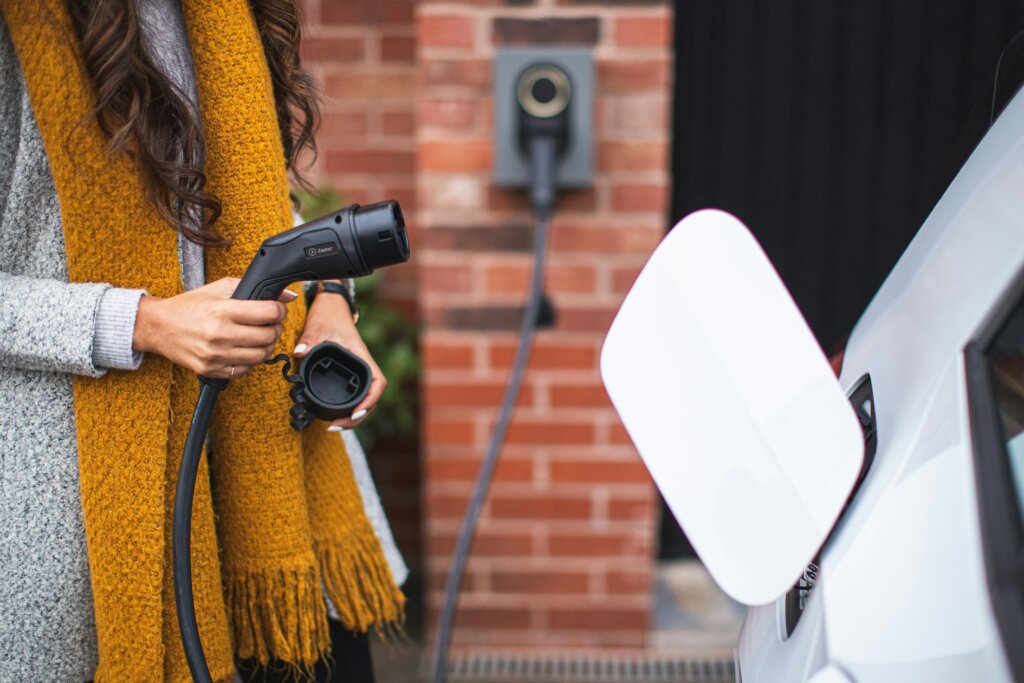
Drivers with electric vehicles could save £1,000 on fuel by charging at home compared to filling up at the pump, according to new data from the AA. But is it worth switching if you have a petrol or diesel car?
With soaring pump prices, drivers have faced record-high diesel and petrol prices due to ongoing conflict in the Middle East.
Amid rising fuel costs, the number of electric vehicles in the UK is increasing.
Almost 100,000 privately owned electric vehicles were added to UK roads in just three months, according to the AA’s analysis of the latest Department for Transport figures.
Lower running costs for drivers charging at home could make it a more cost-effective option for drivers in the long run.
Electric drivers could save £1,000
Petrol and diesel costs are at an all-time high in the UK. Currently, filling up a 55-litre family car rose to £110 for diesel cars and £96 for those using unleaded petrol, data from the RAC revealed.
An electric car charged at home costs around 7p per mile in electricity compared to 17p per mile for a petrol car with an engine between 1,401cc and 2,000cc, according to HMRC’s latest advisory rates.
Drivers covering 10,000 miles could save £1,000 on the cost of powering the car compared with the petrol cost of covering the same distance, analysis from the AA shows.
Drivers who charge at home also benefit from the temporary 0% VAT rate on domestic energy bills, which runs until April 2027.
Is it worth switching to an electric vehicle?
The cost of electric vehicles is becoming increasingly competitive.
For example, used electric cars were just 1% more expensive than their petrol equivalents from July-September 2026, according to analysis from the AA.
However, whether an electric vehicle is right for you depends on your circumstances and whether you can afford to make the switch.
Generally speaking, electric vehicles are more expensive to insure. That’s because the parts they’re made of cost more to repair or replace.
The cost of a mechanic specialising in electric vehicle repairs is also higher, which is factored into your insurance price.
Ways to save on diesel and petrol
If you don’t think an electric vehicle is right for you, there are still ways to save if you drive a diesel or petrol car.
Some simple ways to help you save on petrol and diesel include:
- Compare fuel prices: always try to shop around for the cheapest fuel to help you save money, especially if you have multiple petrol stations in your local area. Using a free fuel price comparison website offers a quick and easy way to find the lowest prices in your area or along your route. Keep in mind it’s not worth travelling too far out of the way to fill up, as the extended journey could offset any savings you make at the pump.
- Use loyalty cards: most supermarkets and petrol stations offer loyalty cards or cashback schemes to help you cover the cost of petrol for instance Tesco Clubcard, Nectar and BPme Rewards. By earning enough points, you can get rewards to put the rewards towards filling up your tank, helping you save.
- Get your tyres checked: under-inflated tyres make your car’s engine work a lot harder which in turn could burn more fuel. Regularly checking your tyre pressure can help you keep your fuel consumption down.
- Switching off the engine: leaving your engine running when your car isn’t moving uses up more fuel. Always aim to switch off your engine when your car’s at a standstill, for example, if you’re sitting in heavy traffic.
- Reduce your journeys: where possible, driving less could help keep your fuel costs down. Start by tracking your household’s weekly mileage to estimate all the journeys you take and where you can reduce them.
- Mind your fuel use: avoid heavy braking and harsh acceleration to reduce your fuel usage. Driving more smoothly can help you save on fuel while decreasing the amount of wear and tear on your vehicle.

Comments
Related News



Savings tax bills soar by 76% for additional-rate taxpayers: Is HMRC taking more of your interest?
What kind of investor are you?


































No comments yet. Be the first to share your thoughts!