



The Chancellor’s Spring Statement: What does it mean for your money?
Leave it in the comments section at the bottom of this article.
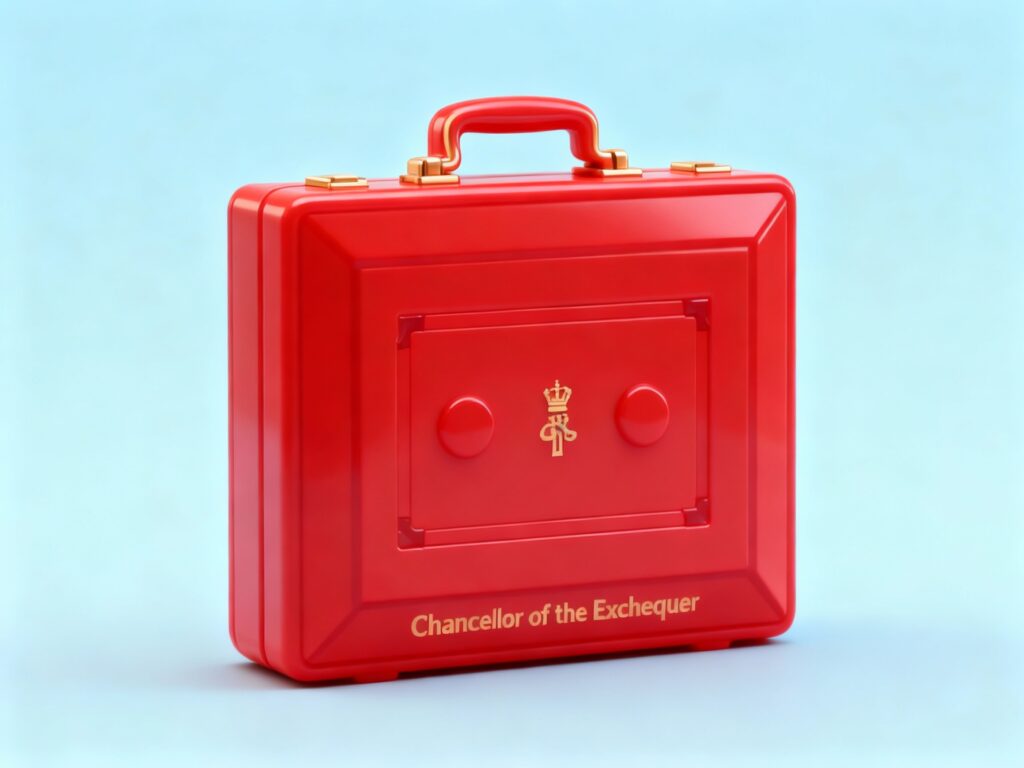
This coming Tuesday (3rd March 2026), the Chancellor of the Exchequer will deliver the UK’s Spring Forecast (also often called the Spring Statement) to Parliament. While it isn’t a full Budget (that only happens once per year in the autumn, now), it’s still an important check-in on the economy and public finances.
What to expect
The Office for Budget Responsibility (OBR), the government’s independent economic watchdog, will publish updated forecasts for growth, inflation, borrowing and tax receipts. The Chancellor will then respond to those figures, giving MPs and the public a snapshot of how the economy is faring since the last Budget. The Budget was only just over 3 months ago though, so we’re not expecting anything too dramatic. In fact, the government has made a point of saying it doesn’t want a big fuss made about this event.
Should You Be Worried?
The Chancellor isn’t going to announce tax rises or big policy changes next week — those will be held back for the Autumn Budget.
That said, the forecasts could influence future decisions on public spending and taxes. If growth, debt or inflation look worse than expected, it could put pressure on the government to act later in the year. And if they’re better than expected, the government could have more money to spend on policies that benefit the public’s finances.
At last year’s statement the Chancellor confirmed details of changes to benefits, although some of these were reversed later in the year. So there is a small possibility we may see something announced on spending or – given the recent headlines about student debt – on student loans.
But, the government is keen to avoid constant waves of speculation over tax and spending measures by keeping changes that could affect public sentiment and the markets to the Autumn Budget. So expect reassurance rather than revelations.
What to Expect
- Updated economic numbers from the OBR on growth, borrowing, inflation and earnings.
- A statement from the Chancellor summarising where things stand.
- Reassurance for businesses and the markets that the government is focused on stability
- There’s an outside chance we may hear an announcement on making student loan repayments more fair.
What the figures could mean for your money?
While the Spring Forecast isn’t expected to bring major policy changes, the numbers behind it still matter for your finances.
- On tax:
If government borrowing is higher than expected or growth is weaker, it can increase the likelihood of tax changes later in the year. That doesn’t mean immediate rises on Tuesday — but it can shape what happens in the Autumn Budget.
- On interest rates and mortgages:
Updated forecasts on inflation and growth influence expectations for interest rates. If inflation is proving hard to lower to the target of 2%, then interest rates could stay higher for longer — which affects mortgage costs and savings rates.
- On pensions and investments:
Market reaction often depends on the tone of the statement. Reassuring signals around stability can calm markets; concerns about growth or debt can create short-term volatility. For long-term investors, though, these events are usually noise rather than something to act on, so don’t fall into the trap of taking knee-jerk reactions with long-term consequences that you’ll later regret solely based on market dips or peaks that could just as easily do an about-turn the following day or week.
- On benefits and public spending:
Changes to growth or borrowing forecasts can impact how much room the government has for spending — which may affect departmental budgets – and, therefore, how much the government has to spend on benefits and policies.
The Bottom Line
For most households, this isn’t a moment to panic. But if the markets react to something they perceive as surprising, remember investments should always be looked at through a long-view lens.
If you have a plan in place — whether that’s investing for a house deposit, early retirement or your children’s university fees — don’t be tempted to react to political headlines. Staying the course is usually far more likely to produce the desired results.

Comments
Related News


Worried the Budget will rattle your pension? Here’s what twenty years of market panics actually did


Two-Thirds Of UK Workers Could Have Untapped Pension Savings – Here’s How To Find Yours
What kind of investor are you?


































No comments yet. Be the first to share your thoughts!