



Budget 2026: Burnham Made His Pitch But Who Pays?
Leave it in the comments section at the bottom of this article.
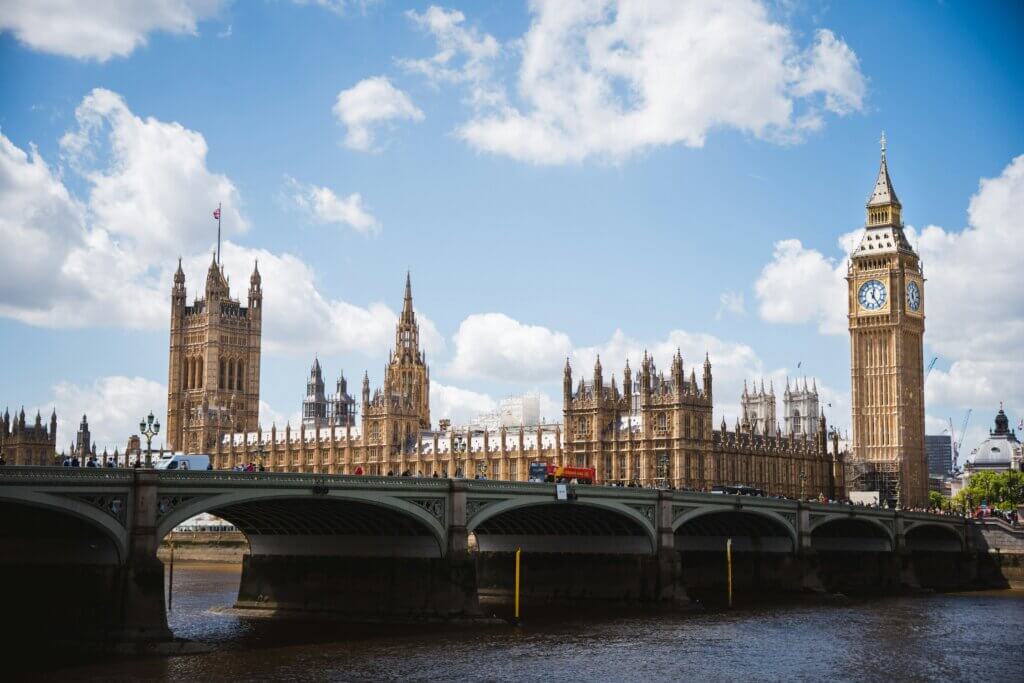
Andy Burnham gave his first Commons statement as Prime Minister this week, his first time at the despatch box in 16 years.
The pitch: bring essential services like water, energy and transport back under public control, and use that as the engine to grow the economy and ease the cost of living. He’s calling it a plan to “bring back hope.”
It’s a big, ambitious idea and a genuinely different economic argument to anything we’ve had from a Labour government in years. But it’s also a plan that costs money.
Taking water, energy or transport companies back under public control usually means the government has to buy them from whoever owns them now. That money has to come from somewhere, either more government borrowing or more tax, and right now there’s no clear answer on which.
That’s the part of the plan that takes years and billions, and none of it gets paid for by a speech.
Separate from that longer-term ambition, two things are already confirmed and will help with the cost of living much sooner. VAT is coming off domestic energy bills from October, which will show up directly in your energy bill within weeks.
There’s also a cut to business rates for pubs and clubs, which lowers costs for those businesses rather than something you’ll see on a personal bill.
Which is why I think this week matters less on its own, and more as the opening line of a story that finishes on 28 October. Burnham has just told the country what he wants to do. The Budget is where we find out what he can actually afford, and who ends up paying for it.
What this means for Budget speculation
If public ownership and affordability are genuinely the priorities, watch for a Budget that raises money quietly rather than through headline tax rises.
That fits everything we’re already hearing: no change expected to the main rates of income tax, National Insurance or VAT, but real pressure on wealth-adjacent taxes, capital gains, inheritance tax reliefs, and the personal allowance, which Burnham himself has said he’s open to reviewing after voters raised it with him directly during the by-election that got him into Parliament in the first place.
Property tax speculation has already cooled. Reports of a full land value tax replacing stamp duty and council tax appear to be off the table for this Budget, at least for now.
But a mansion-tax style surcharge on the highest value homes isn’t out of the question, especially given a version of that already appeared in the last Budget. Any movement on stamp duty is worth watching too, since it lands directly on households already stretched by their mortgage.
Over five million are facing higher repayments as they come off fixed deals by the end of 2028, and stamp duty changes would hit that same group hardest.
Try our free mortgage calculator to see how much you could borrow.
Who I think gets hit hardest
It’s rarely the wealthiest who feel a Budget first, they usually have advisers and warnings.
It’s people in the middle: a decent private pension, a paid-off house, savings just over one of the various thresholds, who don’t think of themselves as wealthy but keep getting pulled into rules built for much bigger estates.
The frozen personal allowance already does this quietly every year, pulling more people into higher tax bands without a single rate ever moving. Pensions are the other pressure point.
From April 2027, unused pension funds come into the inheritance tax net for the first time. If the Budget adds anything further on top of that before people have had a chance to plan around it, it’s ordinary savers who get caught out, not the wealthy.
Use our pension calculator to estimate whether you’re in track for a comfortable retirement.
One word I’d watch for: “simplification”
In the last few Budgets, that word has usually meant a relief getting cut or a threshold getting frozen for longer, dressed up as tidying up the system. If it shows up on 28 October, check what’s actually disappearing underneath it.
What’s already locked in, regardless of what he says
None of this changes the things that are already confirmed for April 2027, whatever gets announced on the day. Your cash ISA allowance still drops to £12,000 for cash if you’re under 65, and this is genuinely the last full tax year to use the higher £20,000 cash limit.
Pensions still come into the inheritance tax net for the first time. Savings income tax rates still rise by 2%. Those aren’t part of today’s speech, and they won’t be part of the Budget speculation either, because they’re already written into law.
Find out the top rates on our best Cash ISA round up.
My take
I think this week told us more about tone than substance. Burnham wants to be seen as the Prime Minister who protects household budgets, and the two immediate wins he’s already banked, the energy VAT cut and business rates relief, back that up.
But the bigger reform he’s promising needs revenue, and revenue has to come from somewhere. If they want people to actually trust this Budget, the priority should be clarity over cash: what’s changing, what isn’t, and when. That matters more to most readers than any single tax rate.
This article is for general information only and doesn’t constitute personal financial advice.

Comments
Related News

Worried the Budget will rattle your pension? Here’s what twenty years of market panics actually did


Two-Thirds Of UK Workers Could Have Untapped Pension Savings – Here’s How To Find Yours
What kind of investor are you?


































No comments yet. Be the first to share your thoughts!