



Proof that cash is costing you more than a pretty penny
Leave it in the comments section at the bottom of this article.
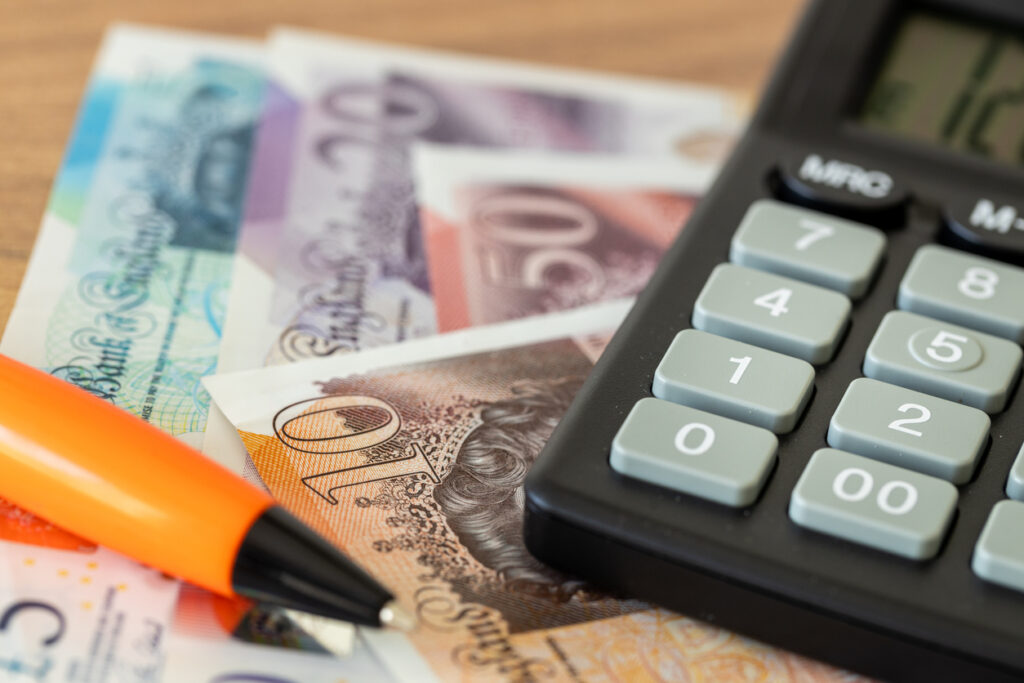
Inflation is often described as prices going up. What is discussed far less is what inflation does to cash itself.
Over time, inflation erodes purchasing power. Slowly enough that it rarely feels dramatic, but powerfully enough that it can reshape outcomes over decades. One of the clearest ways to see this effect is through housing.
In the early 1930s, the average UK home cost roughly £600. At the same time, gold was fixed at around £4 an ounce. That meant it took approximately 150 ounces of gold to buy an average home.
Fast forward to 2024. The average UK home costs around £290,000. Gold trades at roughly £1,800 an ounce. Today, it takes about 160 ounces of gold to buy a similar home.
Nearly a century later, the amount of gold needed to buy a house is broadly unchanged. The amount of cash required has increased dramatically.
This comparison highlights a point many people miss. Inflation does not just make things more expensive. It steadily reduces what cash can buy.
If you held cash over long periods, housing became less affordable. If you held gold, housing costs broadly kept pace.
This does not make gold a get rich quick investment. Its long-term role has been preservation rather than growth. Gold does not reliably generate income, nor does it compound in the way productive assets can. But it has historically acted as a store of value when measured against real-world goods.
The broader point is not that everyone should own gold. It is that holding cash without growth is still a financial decision, even if it feels like the safest option.
Over long periods, inflation quietly penalises that decision. Cash balances may look stable, but their purchasing power is not.
If money does not grow, inflation ensures it shrinks in real terms. This is why long-term saving typically requires some exposure to assets that can outpace inflation, whether through investing, diversification, or a combination of approaches suited to individual circumstances.
For readers who want to understand how investing works in practice, including how different assets behave over time and how to get started sensibly, there are free beginner guides available that walk through the fundamentals in plain English.
Inflation rarely makes headlines day to day. But over decades, it is one of the most powerful forces shaping financial outcomes. Doing nothing with cash may feel neutral. History suggests it rarely is.

Comments
Related News


Is Inheritance Tax Driving Britain’s Wealthiest Abroad? The Chris Rokos Question


What kind of investor are you?


































No comments yet. Be the first to share your thoughts!